


Everything New Parents Should Know About Visiting a Pediatric Dentist
Becoming a parent means learning about countless new aspects of your child's health, and oral care deserves attention from the beginning. Healthy teeth support comfortable eating, clear speech, proper development, and a positive relationship with personal hygiene. Early dental visits can also give parents useful guidance about brushing, nutrition, teething, and habits that may affect a child's developing smile.
According to the American Academy of Pediatric Dentistry, children should have their first dental visit after their first tooth erupts and continue seeing a dentist every six months afterward. Starting care early allows families to address concerns before they become more complicated while helping children become familiar with the dental environment. Knowing what to expect can make the experience easier for both parents and children.
Understanding Your Child's First Dental Visits
Why Early Dental Visits Matter
A pediatric dentist specializes in caring for infants, children, and adolescents, including patients whose teeth, jaws, and oral structures are still developing. This specialized focus allows dental professionals to recognize changes that may be difficult for parents to identify at home. Early appointments are not simply about looking for cavities. They also establish a foundation for preventive care and help families understand how to protect their child's oral health as development progresses.
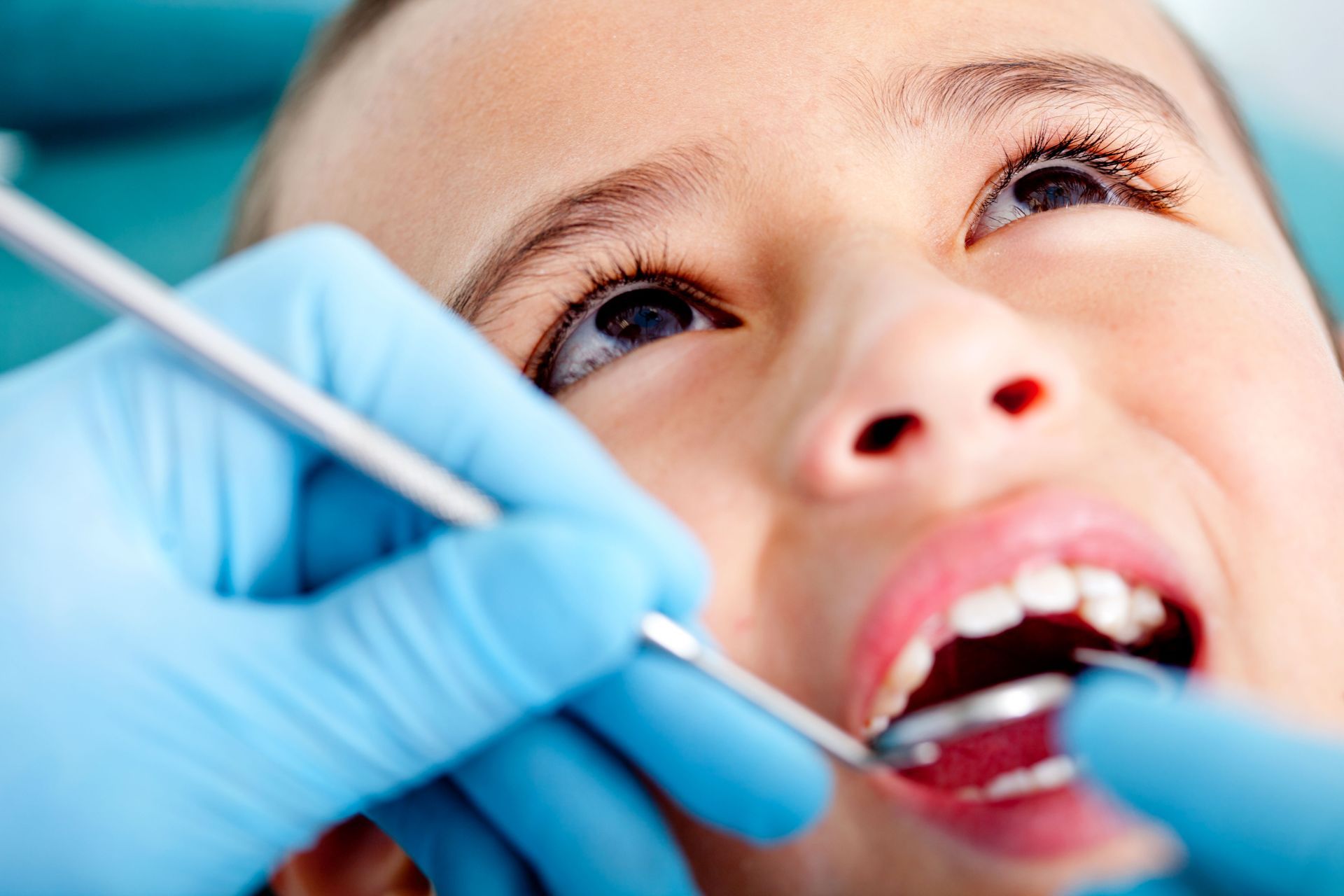
During an initial appointment, the dental team may examine the teeth and gums, evaluate oral development, discuss feeding and hygiene habits, and answer questions about teething. Depending on your child's age and needs, the visit may be relatively brief and focused primarily on education and familiarization. Parents can use this time to discuss concerns such as thumb-sucking, pacifier use, bottle habits, tooth discoloration, or difficulty cleaning certain areas.
What to Expect During the Appointment
For many young children, the first appointment is designed to be comfortable and educational. The dental team may ask about your child's medical and dental history before examining the mouth. A cleaning may be appropriate depending on age and cooperation, while dental X-rays are generally recommended when clinically necessary rather than automatically performed at every visit.
Parents should expect the provider to explain findings in language that is easy to understand. If a concern is identified, the dental team can discuss available treatment options and explain what can be done to prevent the issue from worsening. Routine visits to a pediatric dentist may eventually include professional cleanings, plaque and tartar removal, gum assessments, fluoride care, sealants, and age-appropriate oral health education.
How Parents Can Prepare
Parents can make dental visits easier by presenting the appointment as a normal part of staying healthy. Children often take emotional cues from adults, so remaining calm and positive can help reduce apprehension. Avoid describing dental treatment as painful or using frightening language, even when trying to reassure a child. Instead, use simple explanations and allow the dental team to introduce unfamiliar terminology.
It can also help to schedule appointments when your child is generally rested and cooperative. Bring any relevant medical information and be prepared to describe your child's brushing routine, dietary habits, and dental history. If your child has a specific fear or previous difficult experience, tell the dental team beforehand, so they can adjust their approach and provide additional support.
Maintaining Oral Health Between Appointments
Establishing Effective Daily Habits
A pediatric dentist can provide professional guidance, but daily care at home remains essential to maintaining healthy teeth and gums. Parents should help young children brush consistently and supervise older children until they have developed the coordination needed to clean thoroughly on their own. Brushing should reach the fronts, backs, and chewing surfaces of the teeth while also paying attention to the gumline.
As children grow, parents can gradually give them more responsibility while continuing to monitor their technique. Flossing becomes particularly important when teeth touch one another because a toothbrush cannot effectively clean the spaces between them. Creating a consistent morning and bedtime routine can make oral hygiene feel like an ordinary part of the day rather than an unpleasant obligation.
Preventing Cavities With Healthy Choices
Cavity prevention involves more than brushing. Frequent exposure to sugary foods and drinks can increase the risk of tooth decay, particularly when children consume these items throughout the day. Offering balanced meals and snacks, encouraging water, and limiting sugary beverages can support healthier teeth. Parents should also pay attention to sticky foods that can remain on tooth surfaces for extended periods.
Professional preventive care can complement these habits. Depending on a child's individual needs, a pediatric dentist may recommend fluoride treatments or dental sealants to provide additional protection against decay. Sealants can cover grooves and pits in the chewing surfaces of certain teeth, where food particles and bacteria may otherwise be difficult to remove with routine brushing.
Recognizing Signs That Need Attention
Parents should not wait for a scheduled appointment if a child develops a persistent dental problem. Tooth pain or sensitivity, visible cavities or dark spots, swollen or bleeding gums, difficulty chewing, persistent bad breath, and unusual changes in tooth position can all warrant professional evaluation. Young children may not always be able to explain exactly what hurts, so changes in eating, sleeping, or behavior can also provide useful clues.
Prompt attention can be especially important when an issue interferes with eating or causes significant discomfort. A pediatric dentist can determine whether symptoms are related to tooth decay, gum irritation, normal dental development, an injury, or another concern. Addressing problems early may also help prevent discomfort from interfering with sleep, nutrition, school, or everyday activities.
Supporting Your Child's Developing Smile
Caring for Teeth as Your Child Grows
Children's dental needs change substantially as they move from infancy through adolescence. Baby teeth help children chew and speak while also maintaining space for permanent teeth. As permanent teeth begin to emerge, dental professionals can monitor changes in alignment, spacing, bite, and overall oral development. Regular examinations make it easier to identify concerns during these transitional stages.
A pediatric dentist can also provide age-appropriate guidance as children become more independent with their oral hygiene. Younger children may need direct assistance with brushing, while older children benefit from reminders and supervision. Adolescents may require additional education about diet, sports-related injuries, orthodontic appliances, and other factors that can affect oral health.
Helping Children Feel Comfortable at the Dentist
Dental anxiety can develop for many reasons, including unfamiliar surroundings, new sensations, or previous unpleasant experiences. A child-focused dental practice can use gentle communication and age-appropriate explanations to make appointments more approachable. Allowing children to ask questions and understand what is happening can give them a greater sense of control.
Parents can reinforce this approach at home by avoiding negative stories about dental visits and not making promises about specific procedures that the dental team may handle differently. Books and positive conversations about dental care can help normalize appointments. The goal is to help children understand that visiting the dentist is a routine part of caring for their health.
Making Oral Health a Family Priority
Children often learn by observing their parents, which makes family routines an important part of establishing healthy habits. When children see adults brushing, flossing, choosing nutritious foods, and attending regular dental appointments, these behaviors become familiar. Parents can also make brushing more engaging by allowing children to select an age-appropriate toothbrush or toothpaste and by establishing a consistent routine.
Regular professional care reinforces the lessons children practice at home. A pediatric dentist can explain proper brushing and flossing techniques, discuss dietary choices, monitor oral development, and identify potential problems during examinations. Combining these professional services with consistent home care creates a comprehensive approach to protecting a child's smile.
For new parents, the most important takeaway is that dental care should begin early and remain consistent. An early relationship with a dental team gives families a reliable resource for questions about teething, hygiene, nutrition, prevention, and changes in a child's developing mouth. Schedule your child's appointment with Sparkle Pediatric Dentistry today and give their growing smile the attentive care it deserves.



Share On: